BORED already with Netflix box sets? Daunted by daily disaster updates? Exhausted from the online pilates and the online pub quizes? Why not learn a language?
That’s the gist of the unsolicited ads that have been tumbling into inboxes in the last couple of weeks as the language-learning entrepreneurs seek to make a buck out of the present lockdown by promoting their apps.
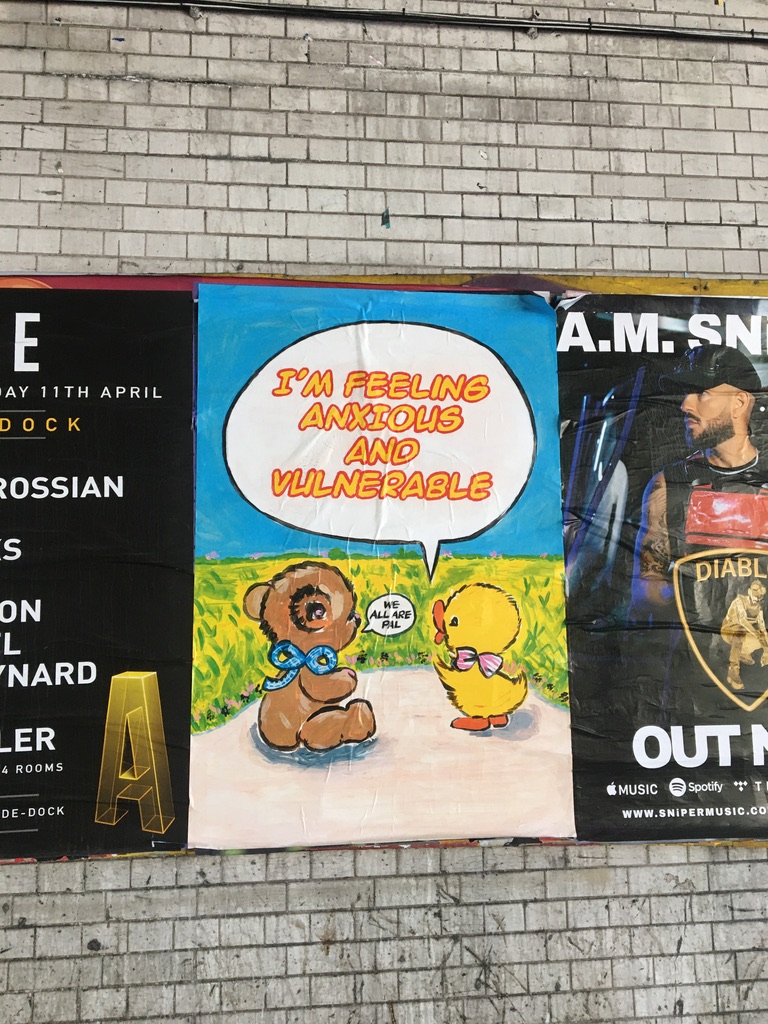
Have you ever tried one? They are sometimes fronted by a seemingly friendly cartoon rabbit, or is it a squirrel?, whose AI brain encourages you to keep going with phrases like “You’re doing really well!” or “Try again! Getting it wrong is part of learning.”
However, the avatar soon adopts a more hectoring tone, warning you that, if you don’t keep up the daily regime, you will lose your place in the virtual league table.
So you can end up burning the midnight oil to try to beat the daily deadline as you struggle to remember the Dutch or the Mandarin for cryptic phrases such as “The bear has eaten my mouse” or “The children are unable to eat salt”.
It gets addictive. A recent cartoon pictured a mourner standing by a coffin, saying: “He leaves behind a loving family and a 239-day Duolingo streak.”
On a normal Friday evening, we’d be off to the Hellenic Centre in Marylebone for our weekly dose of Greek. Housed in a classic London Portland stone and red-brick block off Marylebone Lane, it offers night classes to people of more than 40 nationalities.
Our little class has been soldiering on for almost three years, inspired by a charming but indulgent teacher. She never lectures us about getting the class work in on time. A phrase I learnt early on was “ο σκύλος μου έτρωγε την εργασία μου – the dog ate my homework.”
Since the onset of the pandemic – from the Greek for “We’re all doomed” – teaching has gone online and the virtual assistant at our Google hangout has adopted the aggressive tone of the language app rabbit, sending daily reminders for us to get the homework done.
That’s one reason I miss the weekly trips to Marylebone. It’s a charming neighbourhood with which I have another loose connection. My father was born above his father’s fish and chips shop in Marylebone Lane in 1911 before the family moved on to Pimlico and then New Cross Gate.
Marylebone and Pimlico have been massively gentrified since then. But both retain some aspects of their Edwardian charm. Marylebone Lane still has a rather upmarket fish shop. New Cross, as a friend who lives there tells me sardonically, is “still up-and-coming”.
The first two neighbourhoods have been affected by being so close to the always chintzier Mayfair and Westminister. But they were always cosmopolitan, even in the old days. So was New Cross come to think of it.
This is, after all, London. More than a third of Londoners are now foreign born and the city includes every nationality and language, Greek included.
Now we’re all locked down together and making the best of it. As the Greek philosophers say: “τι να κάνουμε; τίποτα – what can we do about it? Nothing.”
 Idle Thoughts on London Walks