THERE’S been a lot of sentimental claptrap in recent weeks about the health service angels, the dedicated dustmen and the selfless supermarket shelf-stackers who are keeping us all going in these difficult times.
But what of the private bankers, the hedge fund managers and the real estate rentiers who are the real creators of our modern London. How quickly we forget!
There’s anecdotal evidence that some are struggling to get by with no cook, no butler and no au pair. And how is a master of the universe supposed to break the no-drive advice if the chauffeur’s in self-isolation?
I was panicked into finding out for myself by a shock report from the Financial Times, one of my old employers, that owners and operators of superyachts may be facing major asset losses when the pandemic is over.
It’s not all bad news. At the moment, the sector is buoyant as billionaires take to the high seas to escape the virus. But the long-term outlook is grim.
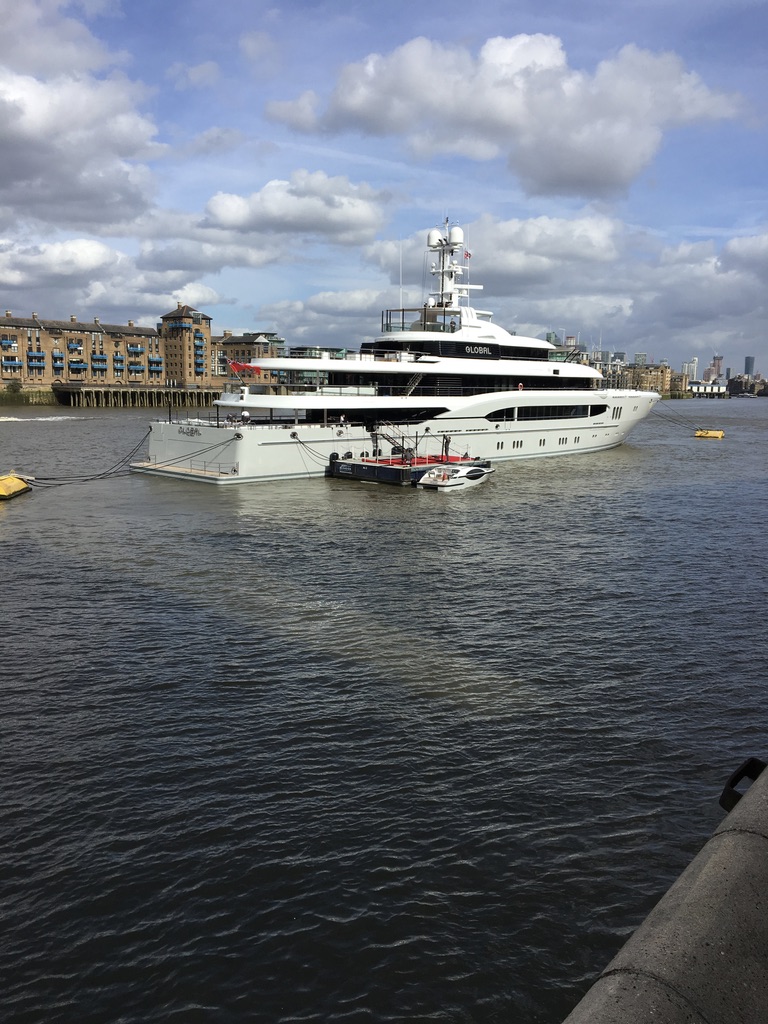
To investigate, I headed to our nearest yacht basin at St Katherine’s. Today, the vessels there were certainly thin on the water. Maybe some owners have headed out to sea or to their second, third or tenth home. There was no sign of life in the berths that remained occupied.
The former working dock, opened in 1828, now hosts converted London barges and sailing yachts but also the petite end of the glamour motor vessel market.
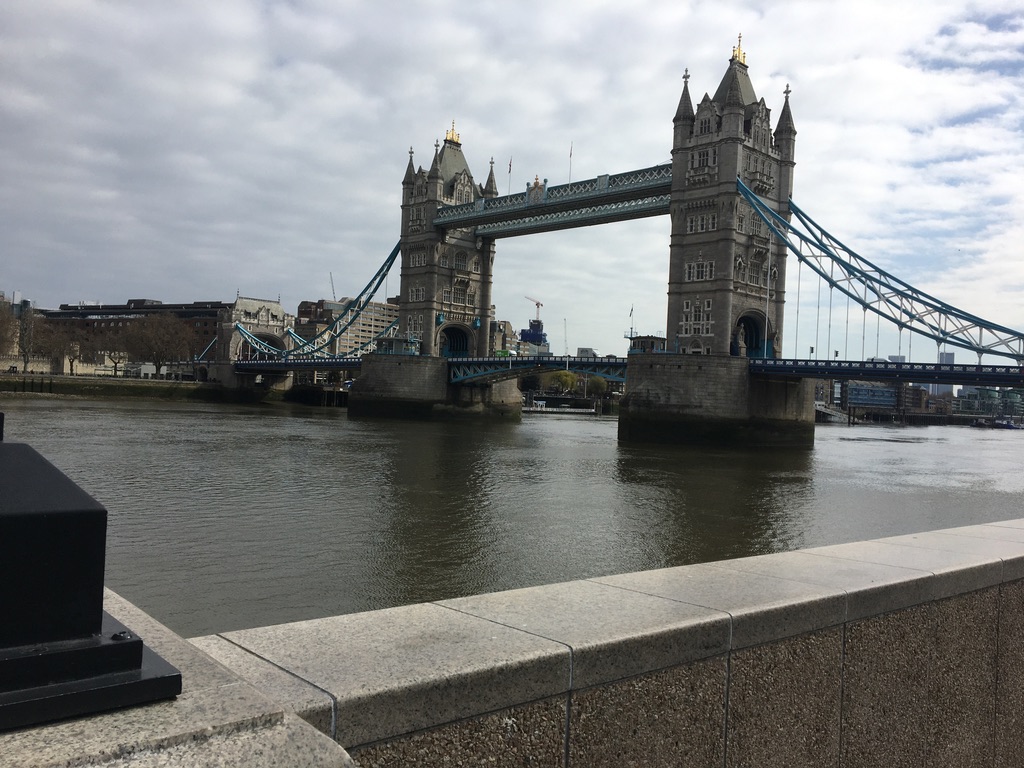
The dock entrance from the nearby Thames is too small to take the gilded monstrosities favoured by oligarchs and tycoons. These are obliged to moor, sometimes for weeks on end, across the river at Butler’s Wharf Pier. There are none there now.
Twenty first century London is widely regarded as the creation of these now absent plutocrats. They claim to keep the city going by paying the largest proportion of its taxes – or at least some of them do. That may be, in part, because a lot of working Londoners are too poor to pay any tax at all.
Let’s leave aside that business about the 2008 financial crash. These people make a vital contribution and the super-rich don’t come cheap.
As for the hard-pressed, hospital staff, I recall a Tory MP once arguing against a pay rise for nurses on the grounds it “would attract the wrong sort”.
I don’t want to go all Class War here, but might I tentatively suggest we consider a little economic rebalancing once the post-virus Reckoning comes.
The government is already stepping in to help business entrepreneurs who actually make things or do something useful.
But what of those who rely on short-selling, currency speculation and charging exhorbitant rents to keep the wolf from the door. What will their fate be once the crisis is over?
During the divisive Brexit debate – remember that? – many people bought into the line that London was a city of the idle rich preying on an ever-poorer Britain. London’s response to the coronavirus, in which the lowest paid are suddenly the heroes, has given the lie to that.
But, as you step on to your doorsteps this week to applaud the NHS, don’t forget the super-rich. They are people too. Although, fortunately, they are by definition only the one per cent.
 Idle Thoughts on London Walks