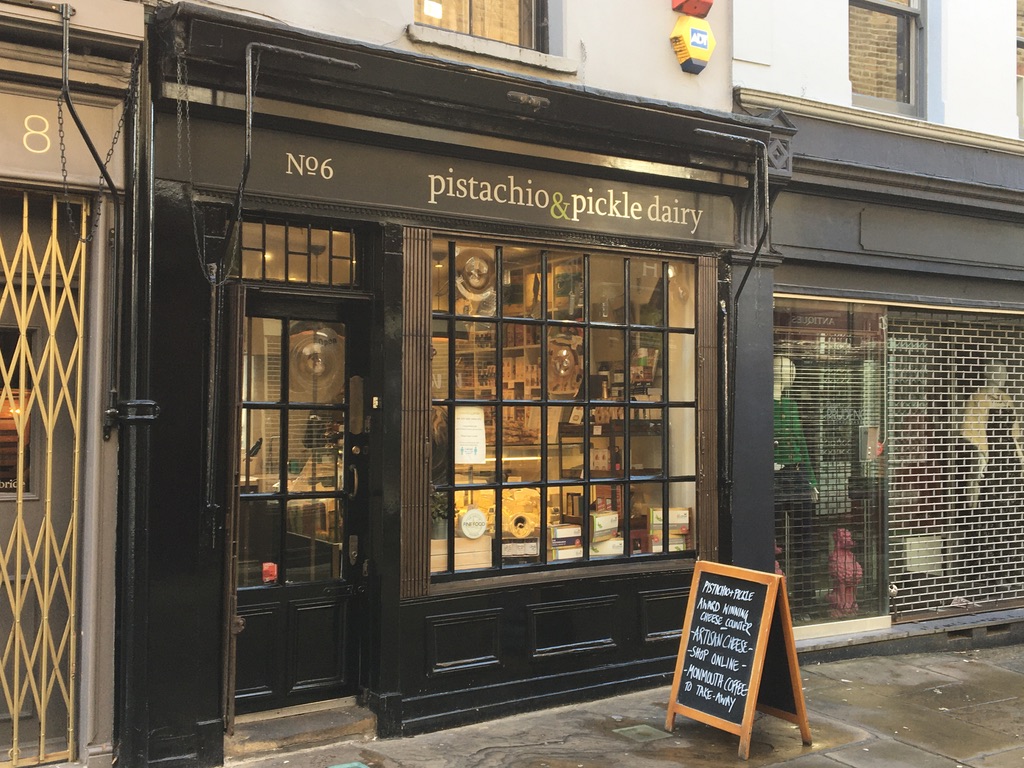
Floreat Islington: Lockdown in luvvieland

ISLINGTON gets such a hard time from right-thinking commentators in the pro-Tory press, you can end up feeling sorry for it. Well, almost.

It’s become a cliché to describe this inner north London district as not so much a location as a state of mind, the epicentre of what the Daily Mail has identified as metropolitan elite “luvvieland”.

Over the decades of Islington’s gentrification, even the sociologists and anthropologists have got in on the act to study, to quote one of them, “the consequences of the manner in which the aspirational middle classes appear to be remaking inner London, displacing in the process traditional working class communities”.

In their seminal 2003 London Calling, academic duo Butler and Robson found that the residents of Barnsbury, one of Islington’s most chichi corners, were mainly graduates and professionals who inclined towards vegetarianism while shunning good old British food.

They tended to avoid car ownership but, if they lapsed, would opt for off-road, gas-guzzling SUVs. Well, you’ve got to get the kids to prep school somehow! Gin was found to be their favourite tipple, and the liberal Guardian their preferred daily read.

There wasn’t much evidence of these bourgeois Islington indigenes as I rounded the corner to The Angel station at the start of the latest lockdown. What greeted me was a contemporary urban tableau familiar to amblers across the capital: a masked guardian of the law remonstrating with a recalcitrant street-sleeper.

The usually bustling Upper Street and Chapel Market were almost deserted. Maybe the well-heeled locals are sheltering in their second homes in Tuscany or the Cotswolds. Or maybe they’re just hunkered down in their Georgian terraces, leaving nanny to run the errands.

Back in the mid-sixties, a first generation of middle-class incomers had only just begun ripping up the lino and sanding the floors in their bargain-priced former slums and ordering up the stripped pine fittings, Conran fabrics and Le Creuset pots with which to furnish them.

Enough fading terraces and squares had been spared by either the council estate builders or the blitz to make Islington a magnet for middle class regeneration.

Most had been built in the area’s 18th-19th century heyday as a rural-urban refuge for a previous elite as traditional market gardens gave way to elegant houses that provided an alternative to the crowded inner city. Musical halls, theatres and pleasure gardens followed. Even into the 20th century Islington attracted a lively literary and artistic set.

But the inter-war years confirmed its steady economic decline as much of the housing in London’s most densely populated borough was turned over to slum landlords and multi-occupation.

Despite the subsequent decades of gentrification, the borough is still a pretty mixed area with a high proportion of social housing, even if it does now have more vegan butchers than eel and pie shops.

The reason perhaps that it is so execrated by Middle England and the media loudmouths of the silent majority is its association with lefty-luvvie politics. Labour’s Tony Blair and Gordon Brown are said to have held a secret tryst at the Granita Restaurant in Upper Street to plot the future course of New Labour.

A decade later, Islington MP and resident Emily Thornberry took some serious flak after she dared to mock a true patriot who’d seen fit to deck the entire front of his house with St George’s flags.

“These metropolitan liberals are allergic to the ideals of patriotism and the self-reliant family,” railed former Islingtonian Harry Mount in the Daily Mail. “Politicians such as Emily Thornberry live a gilded life, utterly segregated from hard-working, working-class voters.”

Not everyone is a champagne socialist, of course. Boris Johnson lived in Islington for a decade until he dumped his £3.75 million Grade II-listed home and divvied up the proceeds with ex-wife Marina.

Tribune of the People Jeremy Corbyn is another local MP, although not known as a champagne quaffer.

The borough’s regeneration generation would have some justification in complaining that they have been reduced to a mere symbol of all the metropolitan hypocrises Middle England loves to hate.

That said, some may also recall that the first incomers were somewhat insenitive to the native proletarians they were displacing.

My favourite Islington story – stay with me here – comes from my time in Buenos Aires in the late 70s. A thrusting young executive had just been parachuted in to manage Reuters’ Latin American HQ and had invited half a dozen of us for an early evening cerveza to get to know “the team”.

Among our number was Ernie, a dimunitive and dapper Londoner who had been the bane of the London management in his role as a militant representative of one of the print unions. The bosses’ response had been to kick him upstairs into personnel, raise his salary and put him on a plane to Argentina.

The young thruster wanted to know about our lives back in Blighty and it came Ernie’s turn to tell him where he lived back home.

“Leytonstone,” says Ernie. “Leytonstone!”, came the disbelieving response. “Isn’t that out in Essex? How the hell do you get to work?”

Management boy interupted Ernie’s mumbled response by singing the praises of his home in Islington – the cosmopolitan artisan shops, the tree-lined squares, and all within walking distance of central London. Did Ernie know Islington?

“I was born and brought up there,” came the terse reply.

“You were born and brought up in Islington and you moved to Leytonstone! I cant believe it! Why?”

Ernie: “Cos cunts like you started movin’ in.”
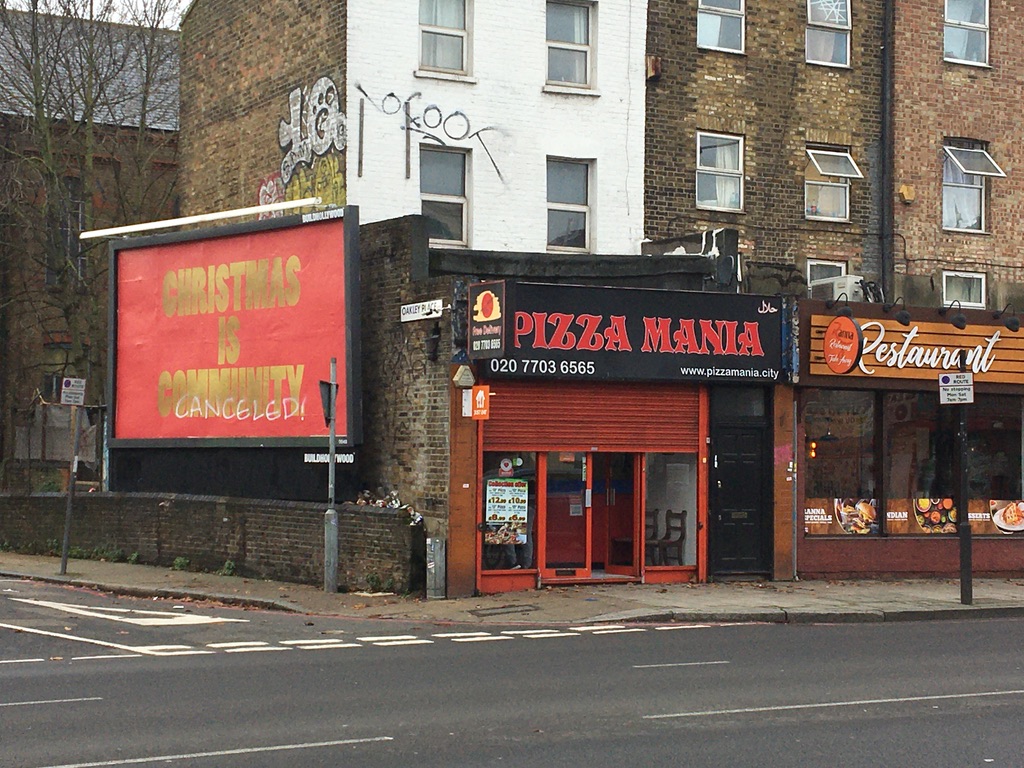
Vision 2021: Talking ’bout my regeneration

THE spontaneous nationwide celebrations that erupted when the microwave timer pinged on Boris Johnson’s oven-ready European deal inevitably eclipsed news of another signal example of his government’s foresight and munificence.

I am referring, of course, to its decision to splurge a stonking £9,605,854 on revitalising the Old Kent Road, the ancient artery that, from Roman times till Brexit, connected London to the continent.

The bearer of this seasonal gift was Robert Jenrick, Communities Secretary, who earlier this year confessed to “apparent bias” in having reversed a planning decision against Tory donor and erstwhile pornographer Richard Desmond.

Dodgy Bob’s intervention, involving a housing development in the East End, saved the former Daily Express and Asian Babes publisher an estimated £45 million in tax.

But enough of that! As the good folk of the Old Kent Road like to say, this is a moment to look forwards and not backwards.

As Ibrahim Adewusi of the Old Kent Road mosque put it: “We’re part of a road that leads from Westminster to Europe.” Easy, Ibrahim! That could sound a bit remoany.

In any event, the dosh now coming Old Kent Road’s way – or maybe not – is part of a package of handouts to high streets around the country to help them overcome the impact of the coronavirus crisis.

Cynics gripe that the same cash was first promised in 2018, long before the bug struck, while the government insists the handout represents a “key milestone” for its “levelling-up agenda”.

If you’re going to level up, you might as well start with the Old Kent Road, immortalised as the cheapest property on the Monopoly board and described by the prestigious Financial Times as London’s “last gentrification frontier”.

Although it’s barely a 10-minute ministerial limousine drive from Parliament, Jenrick and chums have clearly never been there. Otherwise they would know that it’s not a bloody high street! It’s much more than that.

Chaucer’s pilgrims once rode down the three-mile thoroughfare between the Elephant and Castle and New Cross Gate and victorious knights on their way from Agincourt once rode back up it.

It was later immortalised by Albert Chevalier, the Cockney Costermonger, in his 1891 song “Wot Cher! Knocked ’em in the Old Kent Road”, subsequently popularised by Shirley Temple.

But in recent years, southeast London’s erstwhile Appian Way has come to resemble its Via Dolorosa, courtesy of the developers and the planners.

Exhibit 1: Within living memory, the Old Kent Road had a pub on every corner, some of them dating back to medieval times. A half pint in every one of them would have left you legless. These days, there are just two left.

The beating heart of Cockney south London was ripped out to make way for warehouse megastores. If they hadn’t also filled in the nearby Surrey Canal, in order to widen the road at Canal Bridge, this bit of London might now be another Little Venice.

If you were busy preparing your Covid-safe Christmas dinner, you might have missed the latest iteration of the Old Kent Road action plan, published in December under the title: Not any old road.

“Old Kent Road will be a place where communities and families can flourish; a safe place to grow up and to grow old in. It will continue its historic role as a vital artery connecting the commerce and culture of one of the world’s great cities to Europe,” it says. Seriously?

We’ve been here before. When the North Peckham Civic Centre opened at Canal Bridge in 1966 it promised to fill “a void in the local community by providing live entertainment”. I should know. I once starred there as the homeless tramp in Harold Pinter’s The Caretaker.

The building is now occupied by the Everlasting Arms Ministry Pentecostal Church, an inter-denominational Christian ministry devoted to deliverance, holiness, preaching of the word and setting the captive free. Chaucer would have got it.

The latest action plan proposes an innovative approach “because the unique conditions and character of Old Kent Road provide an important opportunity to address the challenges faced across London when it comes to accommodating growth in homes, jobs and social infrastructure…blah blah blah.”

Additionally: “Old Kent Road is one of the few places in central London that really can deliver innovative solutions to these challenges.” What?

Happily, organic London always manages to see off the planners. The cracks they create in the city’s fabric are rapidly filled.

The gor’ blimey, cockney Old Kent Road may be a distant memory. But the present one has a whole new community of Latinos, Chinese, Poles, Greeks, Nigerians and West Indians. And where else would you find a fresh bourek on Boxing Day?

A tale for Christmas: murder, masons and the mafia

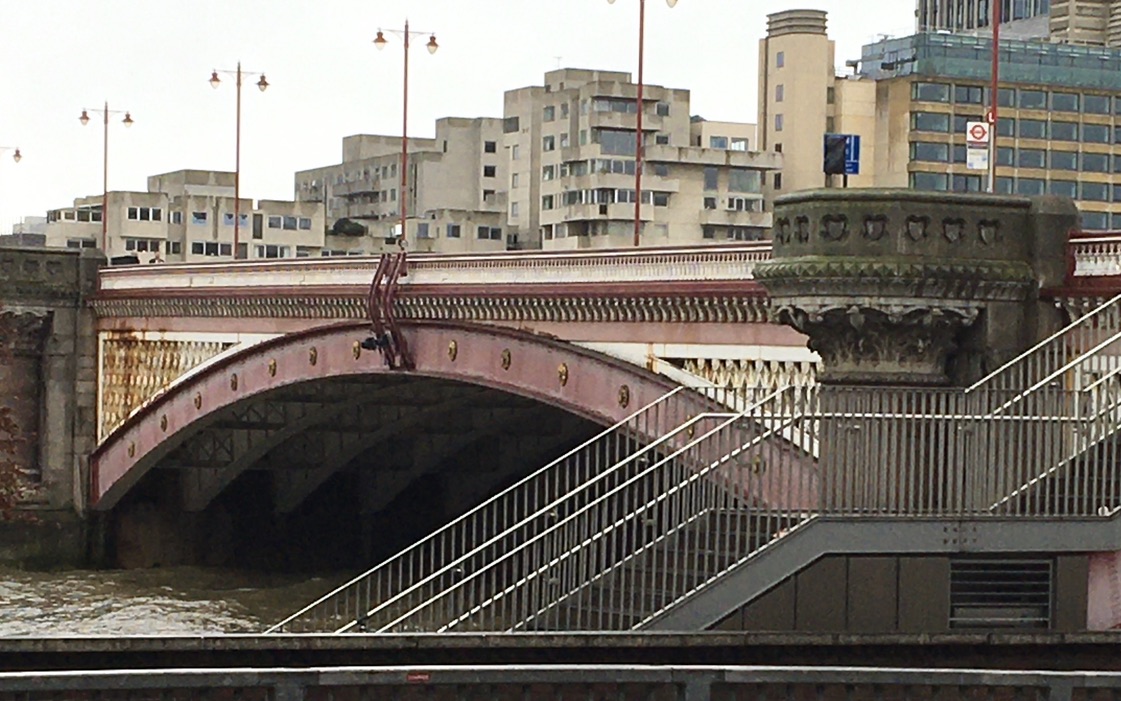
EARLY on the morning of 18 June 1982, a young postal clerk headed for work at the nearby Daily Express spied a body hanging by the neck from scaffolding beneath an arch of Blackfriars Bridge.

The corpse turned out to be that of Roberto Calvi, a 62-year-old Italian financier known as “God’s Banker” for his close financial ties to the Vatican. The pockets of his hand-made suit were stuffed with wads of cash and weighed down with bricks.

Even by London standards, it doesn’t get much more noir than that. But wait. There’s more to this saga, which has yet to be completely resolved almost four decades on.

The plot sounds like it was written by a Hammer Horror scriptwriter on speed, involving as it does skulduggery in the Holy See, sinister Masonic organisations, the mafia, powerful neo-fascists and even hints of black magic.

The discovery of Calvi’s body had to compete in the news of the day with the aftermath of the Falklands War. Argentine forces had surrendered to the Brits only four days earlier. There were other less fortuitous connections between the Calvi affair, Argentina and Thatcher’s war that the celebrating British public and headline writers missed at the time.

But more of that later. First the bare facts.

The day before his death, Calvi had been formally removed from his post as chairman of Banco Ambrosiano, Italy’s biggest private bank whose main shareholder was the Vatican.

He was in the process of appealing a four-year jail sentence on charges of raising massive unsecured loans, shipping illicit funds out of Italy and lending to dubious associates in Italy and abroad. The bank collapsed soon after.

Calvi had gone on the run a week before his death, using a fake passport to make his way to London on a private jet, via Venice.

So how did he end up hanging under a London bridge? And why Blackfriars, on the somewhat soulless eastern fringe of the Thames Embankment?

Now, this is where it gets really creepy. Calvi was a member of the underground Italian masonic lodge, Propaganda Due – P2. Its grandmaster was Licio Gelli, who still cleaved to the ideology he had embraced as one of Mussolini’s early fascist volunteers. Calvi’s arrest had come after documents on the covert P2 were uncovered in a raid on Gelli’s villa.

When the well-connected lads at P2 weren’t busy rolling up their trouser legs, they were involved in ultra-right politics at home and abroad and in helping out their establishment brethren. And the moniker they gave themselves was the frati neri – The Black Friars!

You don’t have to be Dan Brown to conclude that the brothers had a role in Calvi’s death, maybe to prevent him coughing up the lodge’s secrets to the police and to dissuade others with their symbolic masonic warning.

The unimaginative City of London Police nevertheless decided it was a suicide and the coroner’s court agreed. However, at a second hearing the following year a jury recorded an open verdict.

The italians dug up Calvi in 1998 and forensic evidence pointed to foul play. The Thames tide had been out when the body was found but at high tide someone in a boat could have reached the scaffolding he was hanged from.

The London police eventually followed up in 2003 by opening a murder inquiry. They discovered Calvi had been staying in Chelsea in the days before his death at a flat that had been used by playboy and drug-dealer Sergio Vaccari.

The theory emerged that Vaccari had hired the boat on which Calvi was strangled on behalf of the mafia. We’ll never know for sure. Three months after Calvi’s body was spotted, Vaccari was found murdered, lying in a pool of blood in his flat in Holland Park with multiple stab wounds.

In 2005, five suspects went on trial in Italy, including Calvi’s former bodyguard. They were all cleared. Gelli died in 2015, six years after a case against him for plotting Calvi’s murder was dropped.

The old fascist, and Calvi’s erstwhile Venerable Master, had spent many of his fugitive years in Argentina. He was close to the ageing nationalist president Juan Peron and to a key adviser, Jose Lopez Vega, a rumoured black magician and member of the P2 lodge.

Gelli’s influence extended to the military dictatorship that replaced the Peron dynasty. Among its leaders were P2 members. Argentina had got hold of French Exocet missiles used in the Falklands war thanks to an illicit credit paid though Calvi’s Banco Ambrosiano.

In 1987, 13 years after Peron’s death, the late president’s tomb in Buenos Aires was raided and his hands were removed. A black magic rite? Or maybe another sinister message from the P2?

From Blackfriars to Buenos Aires. Come on Hammer Horror! Even you couldn’t make it up!

Football’s finest: Come on you Lions!

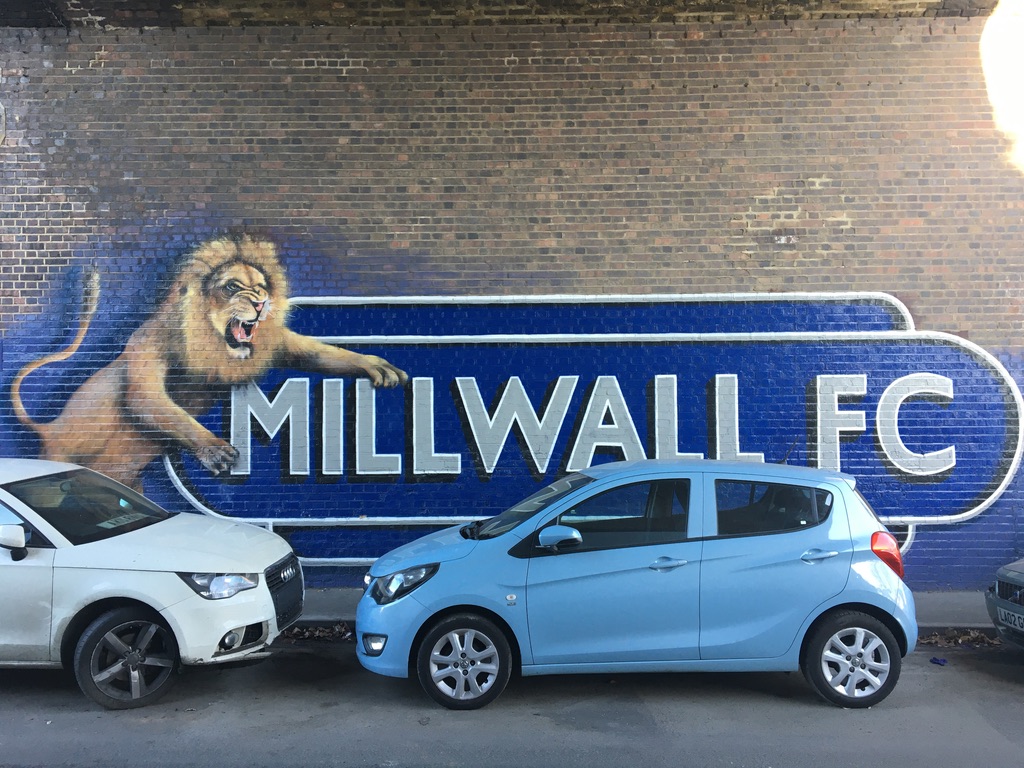
ONE drawback of the relaxation of a ban on public attendance at football matches is that Millwall fans may soon be headed to a stadium near you.

Host teams will be anticipating the arrival of the visitors with the same enthusiasm with which Anglo-Saxon monks once looked forward to the Vikings popping round.

For, by past reputation at least, Millwall fans are the gold standard, the alpha and omega, the nec plus ultra of English football hooliganism. They are Betar’s La Familia crew, The Boca Juniors ultras and Dinamo Zagreb’s Bad Blue Boys all rolled into one.

Returning to the Den for the first time since the Covid lockdown, a diminished home crowd of 2,000 lived up to the abrasive reputation today by booing their own team. The players’ offense was to have got down on one knee in support of Black Lives Matter.

The Football Association put out a statement supporting players who “wish to take a stand against discrimination in a respectful manner” and strongly condemned the behaviour of any spectators that actively voice their opposition to such activities.

Give yourself a break, FA. That’s like a red rag to a bull for a team whose motto is: “No one likes us, we don’t care.”

Former Notts Forest player Greg Halford put the incident down to typical Millwall behaviour. “Every time I’ve played there I’ve heard a form of racist abuse.”

Up to a point, Greg. The reality is that Millwall fans have a reputation for being equal opportunity abusers. They will target any minority group or rival team and, if none are available, they just fight among themselves.

A few years back, 10 fans were arrested in an intra-Millwall barney at a Cup match at Wembley, ostensibly started when a Millwall child was pushed over by a Millwall drunk.

But how did the team, or rather its fans, get such a bad reputation, is it truly deserved, and what the hell do I care anyway?

Well, on the last point, you could say I had no choice. Brought up a few hundred yards from the Old Den in Cold Blow Lane, I am tribally Millwall even if I haven’t been to a game for years. They’re still my local team, since moving just up the road to the New Den in Bermondsey in 1993.

An allegiance to the Millwall Lions is somehow built into the fabric of the neighbourhood and you can’t get away from it, however much you might want to.

If clubs can be said to have a personality, then Millwall’s is held to be aggressive, slightly paranoid, and pessimistic verging on the psychopathic.

The rising chant of Milllllwaaaaaallllllllll…., designed to curdle the blood of the opposition, is more like a pagan battle cry than a football chant.

And whereas fans of neighbouring arch-rival Charlton will simper over how well their boys played in a match they just lost 10-nil, Millwall will denounce their own winning goal-scorer as “shit” for failing to double it.

The hooliganism heyday was in the late sixties and seventies, when the fandom’s sharp-dressers – more mod than rocker – would get kitted out in the Tower Bridge Road before launching on the weekly mayhem.

These days they may be a bit more subdued but their reputation goes before them. Whenever some aggro erupts on the South London streets, you can bet there’s a Lions’ fan involved.

That’s not always a bad thing. When jihadist terrorists attacked London Bridge and Borough market in 2017, fan Roy Larner confronted the knife-wielding attackers with: “Fuck, you! I’m Millwall!” (You can still buy the T-shirt).

The macho image was somewhat dented when another Millwall fan, a self-appointed guardian of London’s statues from Black Lives Matter protestors, had to be rescued from the clutches of an angry crowd by a BLM activist.

None of the negative vibes could be felt this morning as the New Den prepared to welcome back fans. Two old codgers – no doubt right tearaways in the old days – were enjoying an early cuppa on the sun-kissed terrace of Kennedy’s caff.

They looked as if they didn’t have a care in the world. And this afternoon’s home game result – Millwall 0 Derby 1 – must have been a bonus to their instinctive pessimism.

Fogbound: Country reduced to tiers

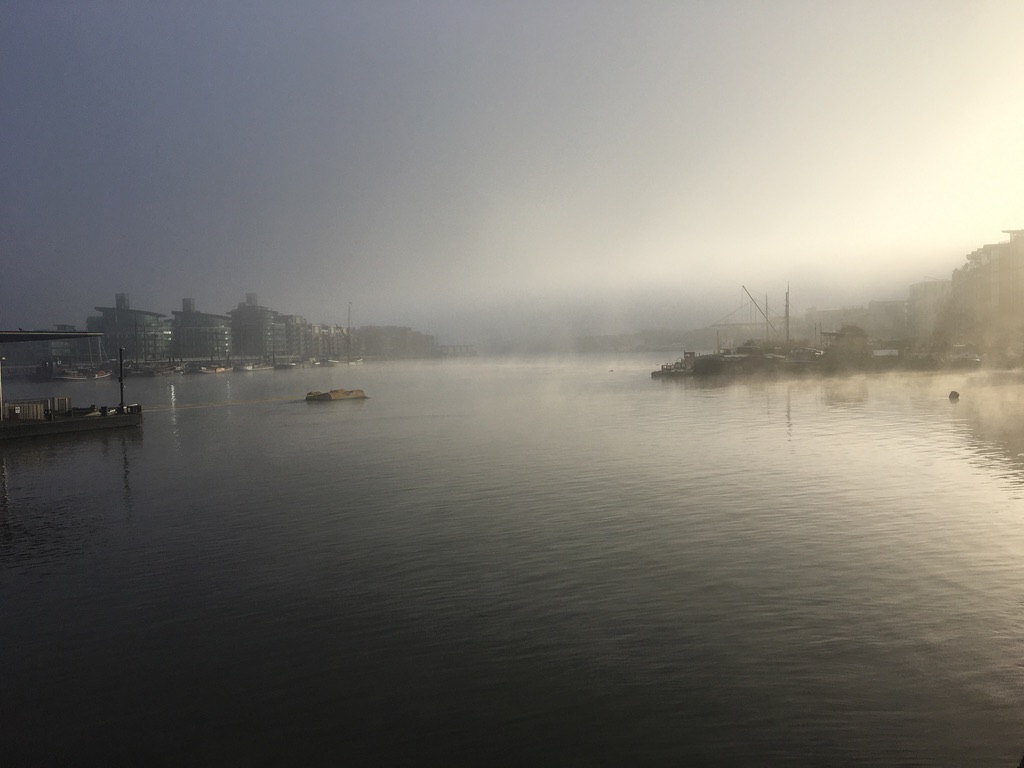
I DO like a bit of fog. It smooths the rough edges off the grimier bits of London and dulls the morning clatter.

Mind you, it could be said we currently live in a permanent metaphorical fog as we try to work out the latest post-lockdown Covid regulations. When does the new system come into force anyway? A minute past midnight on Wednesday or on Thursday? The jury’s still out.

Boris Johnson, whiffling through his own personal Brumaire, clarified that: “What we want to avoid is relaxing now too much, taking our foot off the throat of the beast.” That’s all clear, then.

We Londoners are approaching the new regime with our customary equanimity. The Tesco Metro in Tooley Street was teeming as usual this morning as locals stocked up on vital pre-weekend supplies, bulk-buying mainly cigarettes and lottery tickets by the look of it.

A few of us plan to be at the starting gate next week to grab an outside table at the Horseshoe Inn when the pubs reopen. Apparently, you can only have a pint as part of a substantial meal, helpfully identified by the BBC as “such as a pasty and chips”. Yum. Can’t wait.

It seems our brethren up north are in a tiz because most of them have been dumped into the harshest Tier 3 regulations. No pasties for them!

They’re whingeing that they are once again having to bear the brunt, conveniently forgetting that when the bug was raging through the capital at the start of the pandemic nobody north of Watford gave a monkey’s.

But I don’t want to stir further divisions in our island nation. We’ve got enough of them already. That said, I worry that the so-called tier system can only exacerbate the situation.

I can see it entering the vocabulary. Picture a group of Islington yummy mummies eyeing up the new parent at the pre-school drop-off. “Oh, but she’s so Tier 3!”

All of London has been shoved into Tier 2 despite widespread discrepancies across the city. Southeast London is having it pretty easy, while across the river in Shadwell and Stratford, they’re apparently dropping like flies.

And are we making a fuss? No. Londoners are remarkably sanguine about these occasional upsets, perhaps because our history contains so many of them.

This morning’s fog got me thinking of the old pea-soupers. You don’t get them any more because they were not so much fog as festering clouds of poison, the greatest and last of which descended around this time of year in 1952.

The Great Smog killed a pandemic-level 4,000 people in a week, although those of us who were kids remember it rather fondly. The game was to head out into the gloom, barely lit by the odd bonfire to guide the buses, and to see how far you could stretch your fingers before they disappeared.

The smogs had got worse by the early 50s. Churchill had bumped up the production of coal post-war and it was virtually the only means of domestic heating for most of the city.

The Great Smog figured in Netflix’s The Crown – not the latest one about Princess Di, but the one with Churchill in it. One episode had an increasingly senile prime minister wrestling with the smog crisis.

In a sense, the Great Smog marked the end of a wartime era that had persisted since 1945. Rationing was to last for another two years. Money was still in short supply as were things to spend it on. Inner London was still scarred with bombsites.

After the passing of the first Clean Air Act the use of raw coal was eventually banned. The London pea-souper became a distant memory.

A couple of years ago, I met a producer on The Crown who had been responsible for the fog sequences. He asked me, as a survivor, how I thought he had done.

I told him: “You could have made it thicker.”

Eastward ho! Rippers, gangsters and the Elephant Man

FELLOW idle walkers will confirm that yet another lockdown has tended to confine us to our cruising areas, in my case the urban wonderland that is inner southeast London.

Fortunately, there are still plenty of diverse bits of the capital easily accessible from that particular safety zone, including my latest destination – Whitechapel.

It’s an area that is both sinister and exotic, particularly if you’ve crossed over from the Other Side.

This corner of the old East End owes the former reputation in part to the activities of a late 19th century serial killer, immortalised in the name of a local fried fish shop on Whitechapel High Street, Jack the Chipper.

A couple of decades earlier, Joseph Merrick, the severely deformed Elephant Man, had been put on display at a freak show in the back of a shop in the Whitechapel Road.

An even darker stain on the area’s rep is its association with the Krays, the murderous twins who ran organised crime in the East End in the 50s and 60s.

It was at Whitechapel’s Blind Beggar pub in 1966 that Ronnie Kray shot and killed George Cornell, a hood with the rival south London Richardson gang.

The refurbished pub now punts itself as “the most famous pub in Great Britain”. And we all know why, don’t we?

One of the most dispiriting things about London folklore is that it so often gives pride of place to psychopathic gangsters like the Krays and the Richardsons, both the subjects of endless films and documentaries, though mercifully with time the undeserved glamour is fading.

There was a time when nearly every bloke who’d done National Service in the early 50s claimed to have been in the same unit as the Krays (the twins spent most of their service in the glasshouse), while every dustman in south London would insist he had emptied the Richardsons’ bins.

The brothers hung out with aristos and stars in the West End until their inevitable comeuppance.

At the same time as they were rampaging around Whitechapel, the area became the focus of an explosion of London Jewish literary talent with works by Arnold Wesker, Wolf Mankowitz, Bernard Kops, and Lionel Bart, the creator of Oliver!

Mankowitz’s gentle, Whitechapel-set novel A Kid for Two Farthings was made into a film in 1955 starring, among others, the excellent Diana Dors. The 50s’ blonde bombshell was one of the Krays’ coterie of West End showbiz friends.

(At around that time, Mankowitz and his wife would often cross the river to have a sit-down fish supper at our shop in New Cross, declaring it the city’s finest and thereby no doubt inviting the wrath of Jack the Chipper.)

The era of Jewish Whitechapel was by then past its heyday. Many of the community’s workers and small businessmen, who had dominated the area’s markets and rag trade, had moved on to north London or to Israel.

Bloom’s kosher restaurant survived until 1996. The self-employed waiters there earned their living by buying the meals from the kitchen and selling them at a profit to the diners, hence the commendable rapidity of the service.

The latest newcomers were immigrants from the Indian sub-continent, mainly Bangladeshis. They and their descendants are known back home as the Londoni.

The latest flavour of Whitechapel, a focus for immigration over the centuries, is now south Asian and Muslim, with religious life focused on the East London Mosque. During the ISIS crisis, there was much media jumping up and down about the mosque, opened in 1985, being a focus for radicalisation. The mosque vigorously denied it.

In any event, most of Whitechapel’s peaceable Muslim stallholders and market traders are presently more focused on keeping business going in the Covid crisis than on promoting global Jihad.

Once everything opens up again, I recommend a trip to Whitechapel for some proper Asian grub and a trawl round the markets. There’s also the Whitechapel Art Gallery with an art nouveau exterior that’s a work of art in itself.

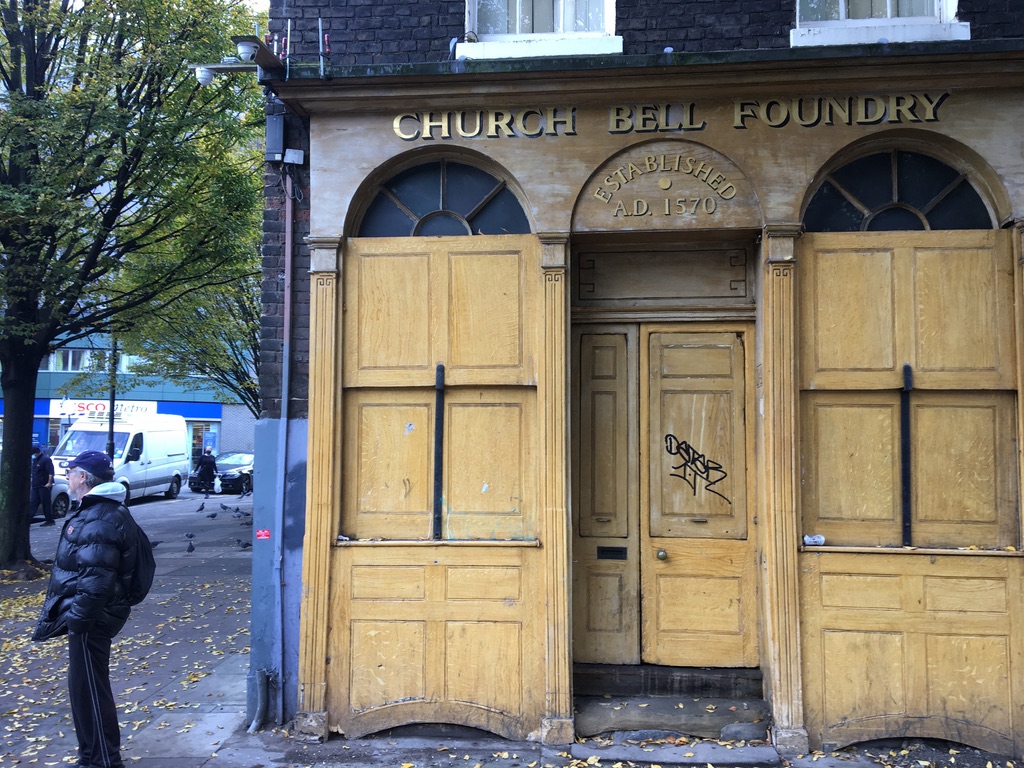
And – stop press! – there’s even a chance the Whitechapel Bell Foundry (today’s picture) might survive. The foundry, established in 1570, manufactured the Liberty Bell and recast Westminster’s Big Ben.

Then, in 2017, the present 17th century building shut up shop to make way for a luxury hotel development that would incorporate it. But now there’s an alternative plan to re-open it as a bell foundry, with a government inquiry set to make a recommendation. Ding-dong to that!

Pilgrims progress: a pint and a turkey sandwich before you go?

IT IS 400 years since the Pilgrim Fathers cast off for the New World from a riverside wharf east of King’s Stairs in the parish of St Mary the Virgin. Mind you, if they’d had a crystal ball to show them this week’s headlines from Washington, they might have opted to stay in Rotherhithe.

The knife-edge results in the Trump-Biden race once more exposed the wider deep divisions within the modern world: rich v. poor, populists v. liberals, north v. south London.

The departing protestant Separatists would be familiar enough with that. They were fleeing discrimination from the established church, an institution that in the 17th century was very much of the “if you don’t like it here, why don’t you leave?” persuasion.

They didn’t have any real connection with south-of-the-river Rotherhithe, although the skipper of their vessel, the Mayflower, was a local. It was a bit like modern venturers setting out for the unknown and choosing to leave from Gatwick.

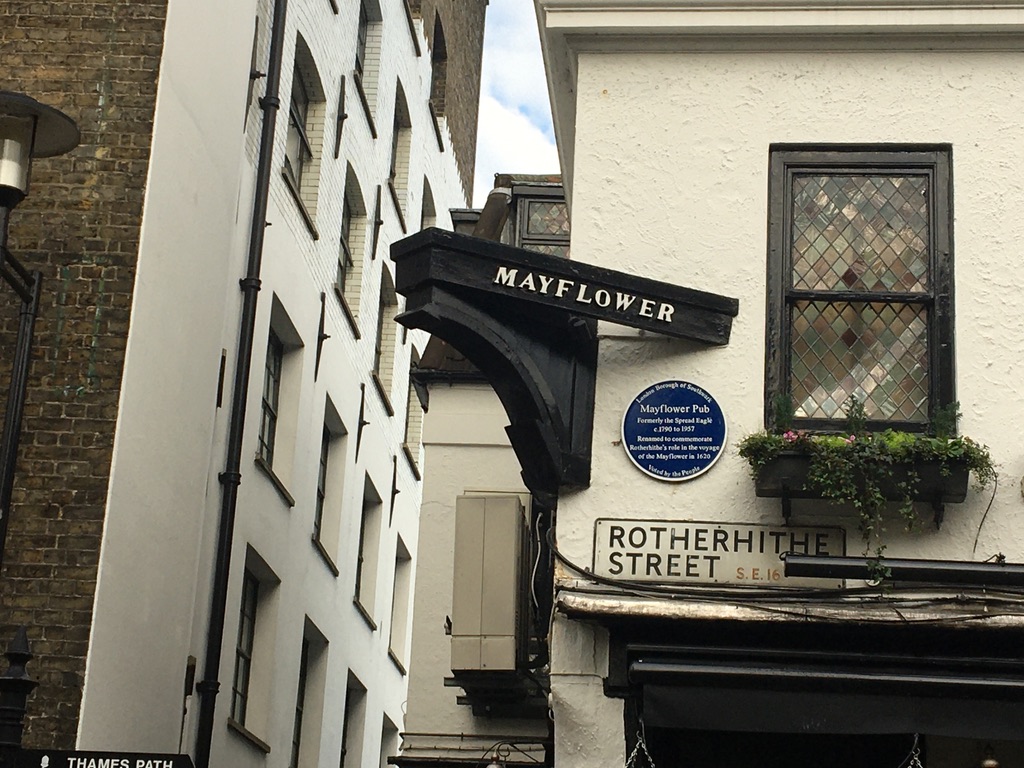
That hasn’t stopped Rotherhithe milking the connection to attract visiting Americans, at least as far as the local Mayflower pub. There were none of them around as I walked past today.

The pub was originally the Shippe Inn and then the Spread Eagle and Crown until its final renaming in 1956 as the brewers sought to cash in on the Mayflower connection.

They make a big deal about being the only British pub licensed to sell US stamps, a boast that was more impressive in the days when people still posted letters to each other.

Captain Christopher Jones picked up 65 passengers at Rotherhithe in July 1620 and, with a layover in Plymouth, they reached America in November. A year later they were well enough set up to enjoy their first Thanksgiving turkey dinner, or it could have been venison, courtesy of the local Wampanoag tribe.

There were big plans in Rotherhithe to figuratively push the boat out for this year’s 400th anniversary. The local Southwark Council and its partners put up £140,000 towards various community and arts projects. And you can bet turkey would have been on the menu at the Mayflower.

Many of the festivities, like so much else these days, have been shelved because of the Covid crisis. That would probably have suited the Pilgrim Fathers just fine. They weren’t really party people.

But there are plenty of other things to see in this rather charming corner of south east London. There’s St Mary’s Church in the grounds of which Captain Jones is buried. And opposite is an old granary that houses the Sands Studio and film club. A six-hour version of Little Dorrit was once filmed there, in one the corners of London we might still describe as Dickensian.

A few yards away is the engine house of the Thames tunnel built by Sir Marc Isambard Brunel, the first below-river tunnel anywhere in the world when it opened in 1843. The tsar had already turned down his plan for a tunnel under the River Neva. His son, Isambard Kingdom Brunel also worked on the Rotherhithe project.

It was originally a pedestrian link to Wapping on the opposite bank and rapidly became a hangout for pedlars, thieves and prostitutes. Then the railway came, and it’s still used as part of what used to be called the tube’s East London Line.

The engine house is a museum now, shut again for the duration. In normal times you can take a staircase down almost to the tunnel entrance and listen to the trains rumble by. I remember the days before refurbishment when the tube tunnel leading under the river still leaked like a sieve.

Another favourite, a few hundred yards west along the river, is the ruin of Edward III’s 14th century lodge, not much more than the foundations excavated in the 1980s. A preservation order means the open space has not been turned into yet another bland block of flats by the developers.

I won’t go on. You haven’t got all day. But you might want to go and check out the area’s Scandinavian connections – all those Nordic seafarers arriving over the centuries There’s even a Finnish church with its own sauna. Churchgoers are said to be full of stories about the sauna’s miraculous effects, so onward pilgrims!

Covid nights: a storm over haunted Camberwell

THE plan had been to walk home from Denmark Hill, a brisk three-mile trot down through Camberwell and Walworth and onwards north towards the Thames.

The skies had cleared to offer some late autumn sun and a gentle breeze sent the dead leaves scuttering in the gutters.

As an invisible raven squawked from the bushes, or was it a wayward gull separated from its scavenging flock along the river, I judged there would still be time to make it home by nightfall.

I had dropped my wife at King’s College Hospital where she was signed up as a Covid vaccine volunteer and where she now faced the reality of having blood extracted and an experimental dose injected.

To calm her understandable nerves, she joked of bloodletting and Dracula and vampires. Her mood became more solemn though as we emerged from the station, opposite the ominous tower of the Salvation Army college.

She found the unfamiliar neighbourhood unsettling, with something indefinably sinister about the jumble of King’s buildings, across from the Edwardian facade of the Maudsley psychiatric hospital and below the crest of the hill.

The Maudsley is the country’s leading institution of its kind but has had its share of controversy over a century of treating the mentally disturbed. Its first superintendent, a former asylum doctor, embraced eugenics and raised concerns by experimenting with hormones extracted from animal organs.

It still hosts the occasional debate on the psychiatry war of the 1960s. That conflict pitted the likes of R.D Laing, who believed we should all be allowed to go mad to reveal our true selves, against those who promoted medicines and electric shocks, once routinely administered at the Maudsley.

As I left alone through the King’s compound, the skies had darkened, the breeze had intensified to piercing gusts. Abandoning the idea of a walk, I turned up the hill and towards the elaborate Victorian pavilion of the local station.

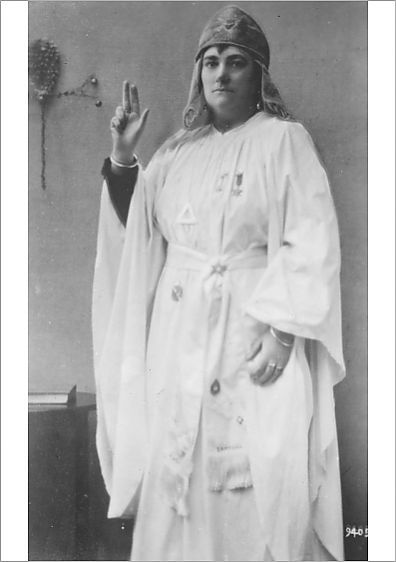
In the 1920s, its waiting room was the unofficial home of the so-called Mystical Church of the Comforter, a cult led by Elizabeth Mary Ann Eagle Skinner, alias The Messenger (today’s picture), who fitted it out like an ancient Egyptian temple.

“Everything is done by symbols, and the badge worn by the members is a dove, standing in a circle with a seven-leafed branch in its beak,” a contemporary wrote.

Maybe my wife was right about the weird psychogeography of this particular corner of Camberwell.

It’s an area with more than its fair share of ghosts, even for haunted London.

I went to school at the bottom of the hill, next to the churchyard at St Giles. Over the years, the spectre of a former priest is said to have startled those who risked cutting through the narrow ill-lit passage to the old vicarage.

Believers in such things speculate it is the grieving phantom of an Edwardian vicar whose daughter, Rose Kelly, married the satanist Aleister Crowley. Her marriage to The Great Beast drove her to insanity and she was committed to an asylum.

As I reached the station, a dark cloud had descended bringing the first spatter of a coming storm. On the platform it turned into a torrent that forced the few waiting passengers to shelter in the stairwell.

We scampered aboard as the first of the thunder burst. The woman behind me was on her phone. “I can’t talk now, Rache. There’s thunder and lightning. I’m really scared!”

If you’re reading this at twilight or alone towards the midnight hour, then sleep tight, pull up the covers, and I wish you a Happy Halloween.

Covid Britain: Discover the real north-south divide

WE were into week two of headlines about the north-south divide before I suddenly realised they weren’t talking about London.

It turns out the papers were referring to the mounting rancour between the south of England, lounging at home in Ottomanesque opulence throughout the Covid crisis, and the north, where the salt of the earth are being forced to scour the slag heaps for scraps to feed their whippets.

My confusion arose because, within the M25, “north-south divide” automatically evokes the no less stark and often just as rancorous cleft between the two halves of modern London.

In a reversal of the national poles, it is the north that sees itself as the epitome of culture, wealth and sophistication, while south of the Thames is viewed as proletarian, dangerous and – worst insult of all – boring.

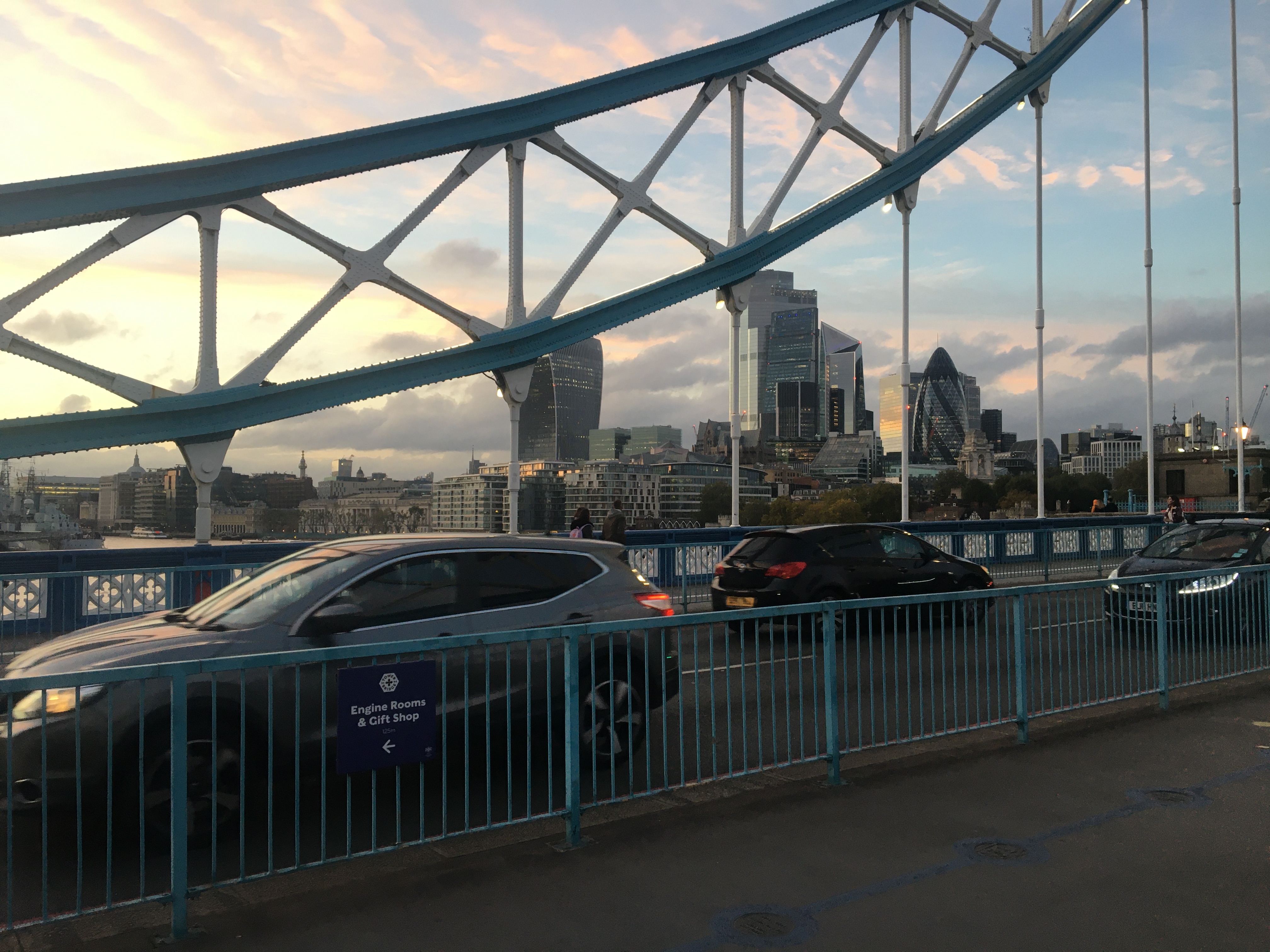
How to account for this visceral split in a city divided by a river but also linked by no less than 35 bridges, even if half of them are currently said to be falling down? (Today’s picture is of Checkpoint Charlie at Tower Bridge, looking north).

As a cradle-to-dotage south Londoner, I must declare an interest at the outset. But I will nevertheless try to remain objective in my observations about the manifold imperfections of the north.

The dichotomy is deep and long-standing and goes beyond the scam of estate agents intent on bumping up house prices north of the Thames and luring punters south with the promise of more bang for their buck.

Just Google “north south London divide” and up pop 80 million examples of transpontine misunderstanding and invective.

Those north-bankers who occasionally deign to cross the Thames – most complain it makes their noses bleed – have a tendency to damn with faint praise, like the would-be buyer who confided in an online testimonial that she “never considered south London until I discovered East Dulwich.”

East Dulwich, as any south Londoner will tell you, has always been there and didn’t need some woman from godforsaken Brent or wherever to summon it into existence.

Hand on heart, I can attest that south London is intrinsically friendlier and more welcoming than that other London across the river. Even the most urban bits of it have more grass.

So whence the overweening sense of superiority and entitlement so evident in the north? Most south Londoners would agree with their provincial brethren about the attitudes of London’s insufferable and cosseted elites, while reminding them that such people tend to live in north London’s Hampstead and Islington, not in south London’s Peckham!

Perhaps they believe that living on the same bank as the relatively neutral territory of the City and West End makes them somehow more authentically London.

While we in the south may choose to cross the river for work or a night out, they seem to make it almost a point of pride never to head in the opposite direction.

I’ve known grown men baulk at the idea of a pub meet-up south of the river on the grounds “we’ve heard it isn’t safe”. Even these days, taxi drivers will turn down a fare to the Elephant and Castle on the unlikely grounds they’ve “never ‘eard of it”.

The reality is that the social and economic differences between north and south have probably never been narrower. Yet the old mutual prejudices persist, usually to the detriment of south London.

As a typical estate agent blurb would have it: “With Central London extending further geographically in the north than in the south, those looking for a truly urban environment – particularly young professionals angling for a city lifestyle – will no doubt opt to live in North London, with the more suburban south attracting families and established professionals looking for more tranquil surroundings.”

Where are they thinking of? Truly urban Wood Green? Tranqil, suburban Brixton?

I’ve set myself off now, so I’d better close before I end up alienating my north London friends.

In response to those who claim south London doesn’t really exist, I would just conclude with the words of one south Londoner: “London does indeed end at the river. Everything north of it is The North.”

Boozers and bruisers: Fancy a pint down the Bucket of Blood?

APOLOGIES for the paucity of pubs.

A rough review of my Covid-era ramblings indicates they have dwelt longer on London’s graveyards than on its boozers.

For, even after the pub closure order was eased in July, the latter had lost much of their charm.

I don’t know about you but I never quite adapted to the new order – card payments and table service. What other continental aberrations await us? Tipping the bar staff?

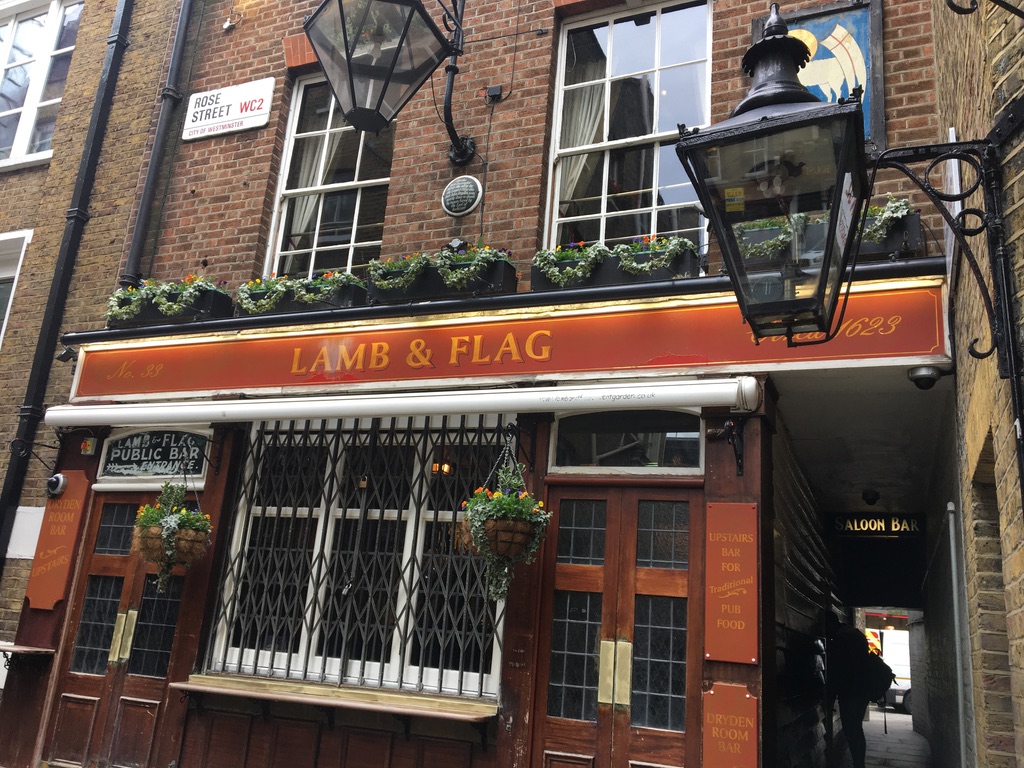
In better times, we Londoners all have our favourites. Mine would include the Lamb and Flag, wedged up an alleyway in Covent Garden. Blink and you’d miss it. I contemplated an early pint there this morning. Tough luck. It was shut.

The listed building is these days officially “historic”, meriting TripAdviser ratings and snaps on Instagram.

It wasn’t always like that. The surrounding Garden used to be what a modern Londoner would regard as “well rough”. It was where the 18th century graphic satirist William Hogarth located his Gin Lane.

The previous century wasn’t much better. A plaque over the Lamb commemorates the day in 1679 on which the poet John Dryden was roughed up by a bunch of heavies hired by his tearway poetic rival John Wilmot, 2nd Earl of Rochester. Wilmot was upset about a Dryden poem that took the piss out of one of Charles II’s mistresses.

By the 19th century, the pub’s association with ultra-violence was formalised with the addition of a bare-knuckle prize-fighting ring. That earned it its contemporary nickname: The Bucket of Blood.

London has a long-standing boxing-boozer tradition. The Ring, a converted chapel in Blackfriars Road, was the home of British boxing from 1910 until the Luftwaffe bombed it. The pub of the same name is all that survives.


Not far away in the Old Kent Road, the gym over the Thomas a Becket pub trained generations of boxers, including London’s heavyweight champion ‘Enry Cooper – the man who once floored Muhammad Ali.

The connection between pubs and pugilism wasn’t always so formal.

I grew up dead opposite the Five Bells at New Cross Gate, down the road from the Becket and run for a time by Joe Lucy, a retired British lightweight champion. Joe trained at the Becket where he claimed to have several times encountered three ghostly nuns. Go easy on the sauce, Joe!

Anyway, the point of the story is that, during Joe’s time at the Bells, the street outside was a regular venue for Saturday night brawls between the patrons. Deptford police could set their watches by it. Maybe the customers were trying to emulate the landlord. Or maybe they were just pissed.

Lucy was succeeded by Stan Blake, an imposing figure who was also handy with his fists. He’d been an amateur boxing champion in the army. He was the archetype of a cockney mine host, from his military mustache to his yellow waistcoat to his gold-edged cigar holder. Under his tutelage, the brawlers calmed down and the Bells became a venue for weekend family sing-songs.

But where were we? Ah, yes, the Lamb and Flag.

It’s an intimate if anonymous West End pub. You don’t go there expecting to bump into your mates. But the staff are friendly and there’s a shelf outside where you can park your pint if you want to have a fag.

Dryden’s alley is as dark and narrow as it was in 1679 but you’re less likely to be cornered there by agents of a belligerent aristocracy than you would have been in his day.

The Lamb has venerable literary connections. Not just Dryden himself but also Charles Dickens, who was a regular. Richard Sheridan the playwright and the poet Samuel Butler were locals.

I saw Graham Greene in there one day, propping up the bar and trying not to look like a man waiting for a tryst with one of his spook contacts. In the spirit of the place, I should have said: “Oy! Greene. Who do you think you’re looking at? Wanna take this outside?”

But naturally, dear reader, I didn’t.